

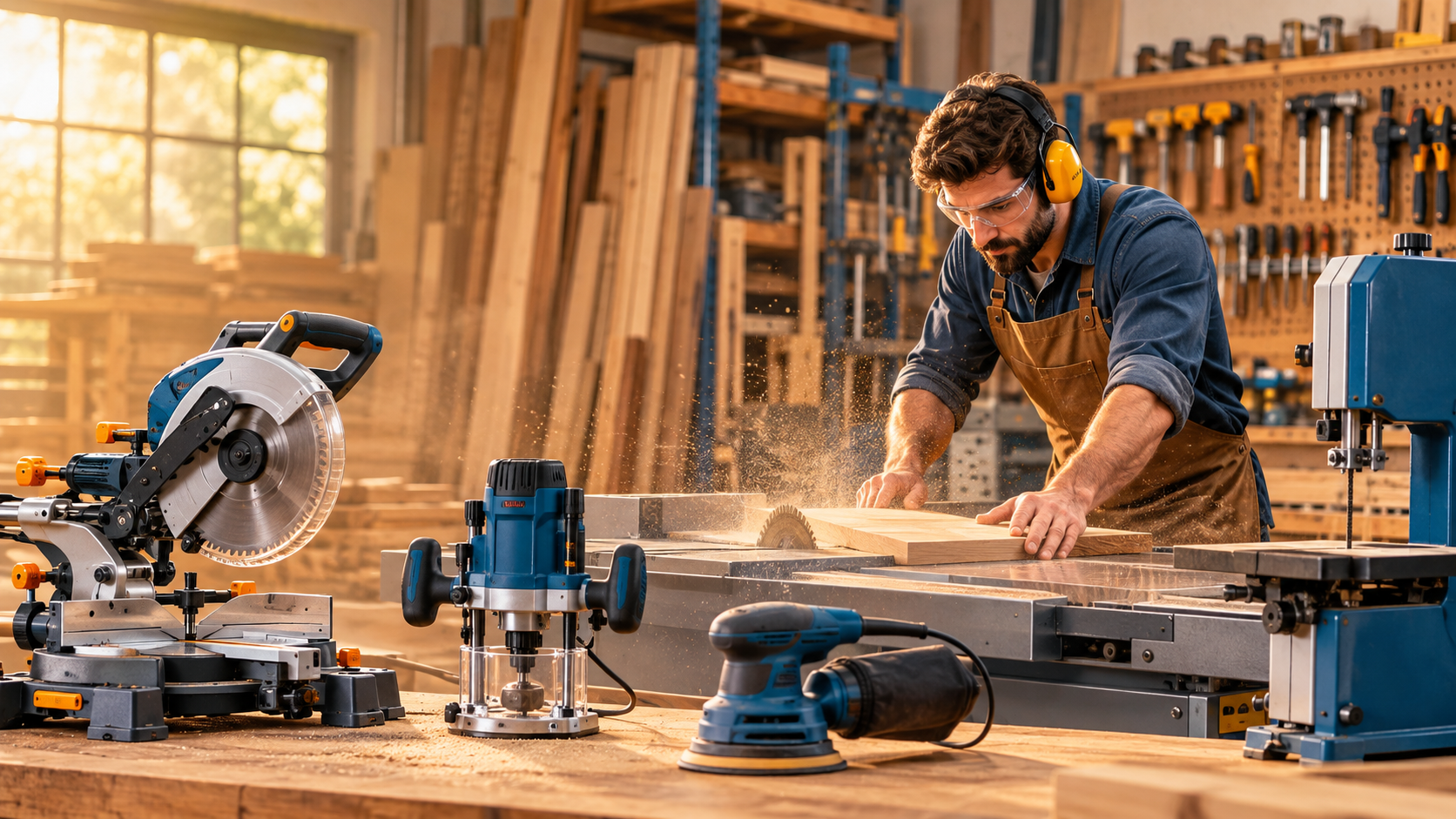
7 Essential Power Tools Every Professional Woodworking Workshop Needs
Whether you run a busy carpentry unit, a furniture workshop, an interior fit-out business or a small fabrication shop, your output is only as good as the tools in your hands. The right power tools save hours every week, cut down on material waste and give your customers the kind of finish that brings them back.
Every woodworking workshop, whether it is a one-person garage setup or a full production unit, runs on a handful of dependable machines. The rest of the tools come and go, but these few decide how fast you work, how accurate your cuts are and how good the final piece looks. In this guide, we go through seven power tools that form the core of a serious woodworking setup, what each one does best, and what to think about before buying
Why the Right Power Tools Matter
Hand skills will always matter in woodworking, but in a professional setting, time is money. Power tools bring three things that directly affect your business:
Speed: Jobs that take an hour by hand can take minutes with the right machine.
Consistency: When you are producing multiple parts, every cut and surface needs to match. Machines make that repeatable.
Quality: Cleaner cuts and smoother surfaces mean less rework and a more professional end product.
With that in mind, here are the seven tools to build your workshop around.
1. Table Saw: The Heart of the Workshop
If a workshop had to start with a single machine, this would be it. The table saw is built for long, straight rip cuts through boards and sheet material, and with the right jigs and blades it can also handle crosscuts, grooves, rebates and angled cuts.
Where it shines: Cabinet making, furniture parts, panel sizing, and any work that needs accurate, repeatable straight cuts.
What to look for:
A stable, solid table and a fence that locks parallel and stays put
A motor that can handle hardwoods without bogging down
Good dust collection and a proper blade guard
Easy blade changes and widely available replacement blades
Because the table saw is used so heavily, build quality matters more here than almost anywhere else. A well-chosen machine can serve a workshop for years.
2. Miter Saw: Speed and Precision for Crosscuts
Skirting, door frames, window casings, picture frames, decking: a miter saw delivers clean, angled crosscuts in seconds. Many carpenters reach for it first on any job because it is quick to set up and simple to use.
Where it shines: Trim and finishing work, framing, repetitive cutting to length, and any job where angles need to be accurate.
What to look for:
Clear, easy-to-read angle scales and positive stops at common angles
A sliding option if you cut wider boards
Smooth, vibration-free operation for cleaner cuts
Dust port compatibility, since miter saws throw a lot of dust
For contractors and site teams, a durable miter saw is also one of the most frequently replaced and restocked tools, making it a smart pick for resellers as well.
3. Router: One Tool, Many Jobs
A router might be the most versatile tool in the workshop. By simply changing the bit, you can shape edges, cut grooves and dados, create rebates, trim laminates, rout hinge recesses and add decorative profiles to furniture and joinery.
Where it shines: Decorative edges, joinery, cabinet door profiles, trimming and template work.
What to look for:
Variable speed control, so you can match speed to bit size and material
Smooth, accurate depth adjustment
A comfortable grip and good balance for control
A range of collet sizes and a good selection of bits
Routers reward practice. In skilled hands, they allow a workshop to offer detailing and finishes that set its work apart from the competition.
4. Jointer: Start with a Flat Reference
Good joinery begins with a straight, flat edge. A jointer flattens one face and squares one edge of a board, giving you a true reference surface for every cut that follows. Without it, small errors at the start become visible gaps and misalignments by the end of the project.
Where it shines: Preparing rough timber, edge-gluing boards for tabletops and panels, and ensuring tight-fitting joints.
What to look for:
Long, flat infeed and outfeed tables
A rigid, accurate fence
Sharp, easily adjustable knives or cutter head
Effective chip extraction
If you buy timber in rough or semi-rough form, a jointer lets you control quality from the very beginning.
5. Planer: Consistent Thickness, Every Board
Once one face is flat, a planer brings your boards to a uniform thickness. This is essential when several pieces have to match, such as in tabletops, shelving, drawers and cabinet carcasses.
Where it shines: Thicknessing boards, producing matching parts, and removing surface roughness from timber.
What to look for:
Strong motor and stable feed rollers for smooth, even feeding
Simple, accurate thickness adjustment
Good chip ejection to avoid clogging
Sturdy construction to minimise vibration and snipe
A planer also gives you flexibility. Buying rough timber and sizing it yourself can help control material costs, and it lets you work to exact dimensions rather than settling for what is available off the shelf.
6. Band Saw: Curves, Resawing and Fine Detail
Not every cut is a straight line. The band saw cuts curves and irregular shapes cleanly, and it is the go-to tool for resawing thick stock into thinner boards with minimal waste. It is also generally better suited than a table saw for cutting small or awkwardly shaped pieces.
Where it shines: Curved furniture parts, scrollwork, resawing, and detailed shaping.
What to look for:
Adequate cutting height and throat depth for your typical work
A rigid frame and good blade tracking
Quality blade guides and tensioning
A sturdy table that can tilt for angled cuts
For workshops that handle custom or decorative pieces, a band saw opens up possibilities that other saws simply cannot match.
7. Random Orbital Sander: The Finish Customers See
A well-built piece can be let down by a poor surface. A random orbital sander removes material quickly and evenly, while its overlapping motion avoids the visible swirl marks that other sanders can leave behind. The result is a smooth surface ready for stain, oil, lacquer or paint.
Where it shines: Final surface preparation, smoothing between coats, and general sanding of flat or gently curved surfaces.
What to look for:
Low vibration, which reduces operator fatigue over long sessions
Good dust extraction, for a cleaner workspace and a healthier team
Hook-and-loop pads for quick disc changes
A comfortable, well-balanced body
Since a sander is used constantly, comfort and reliability matter. Choose one built for professional workloads, not occasional weekend use.
Safety and Maintenance: Protecting Your Tools and Your Team
Powerful tools demand respect. A few simple habits go a long way:
Wear proper protective equipment: safety glasses, hearing protection and a dust mask or respirator are non-negotiable.
Keep blades and bits sharp: dull cutters are less safe, produce poorer results and put extra strain on motors.
Clean regularly: sawdust build-up affects performance and can be a fire risk.
Inspect before use: check guards, fences, cables and switches each time.
Store properly: keep tools dry and clean to extend their working life.
Regular care also protects your investment. A well-maintained tool simply lasts longer and performs better.
Buying Smart: Why Work with a Wholesale Supplier
For professionals, tools are a business expense, and costs add up quickly when you are equipping a full workshop or restocking a store. Buying through a dedicated wholesale supplier can make a real difference:
Better value at volume: wholesale pricing helps protect your margins.
Professional-grade selection: you can focus on tools made for demanding, everyday use.
Guidance from people who know the tools: a good supplier understands what works in real workshops, not just on a spec sheet.
A reliable long-term partner: from first purchase to repeat orders, a consistent supplier saves you time and uncertainty.
This is exactly how the Boxertools team works. We supply professional power tools at wholesale to workshops, contractors and resellers, and we are always happy to help you match the right equipment to your work and your budget. Whether you are opening a new workshop, expanding your range or simply replacing a worn-out machine, we are here to help.
Frequently Asked Questions
Which power tool should I buy first?
For most workshops, a table saw and a miter saw are the best starting point, as they cover the majority of cutting tasks. From there, add a router and sander, then build toward a jointer, planer and band saw as your work grows.
Do I need all seven tools to start?
No. Start with what your current work demands and expand as projects and budget allow. The key is to buy dependable tools you will actually use every day.
Is it worth buying professional-grade tools over entry-level ones?
If you use tools daily, yes. Professional-grade tools are built to handle longer hours, heavier materials and tougher conditions, which usually means better results and fewer replacements.
Can I buy in bulk or for resale?
Yes. Boxertools works with businesses, contractors and retailers. Get in touch with our team to discuss your requirements.
These seven tools form the backbone of a productive woodworking workshop. You will almost certainly add specialist machines over time, but starting with a solid core of dependable equipment sets the standard for everything you build.
Ready to equip your workshop or stock your store with professional power tools at wholesale rates? Get in touch with Boxertools today and let our team help you find the right tools for the job.
Related Blogs

Wholesale Cordless Drills and Grinders for Hardware Distributors in Poland
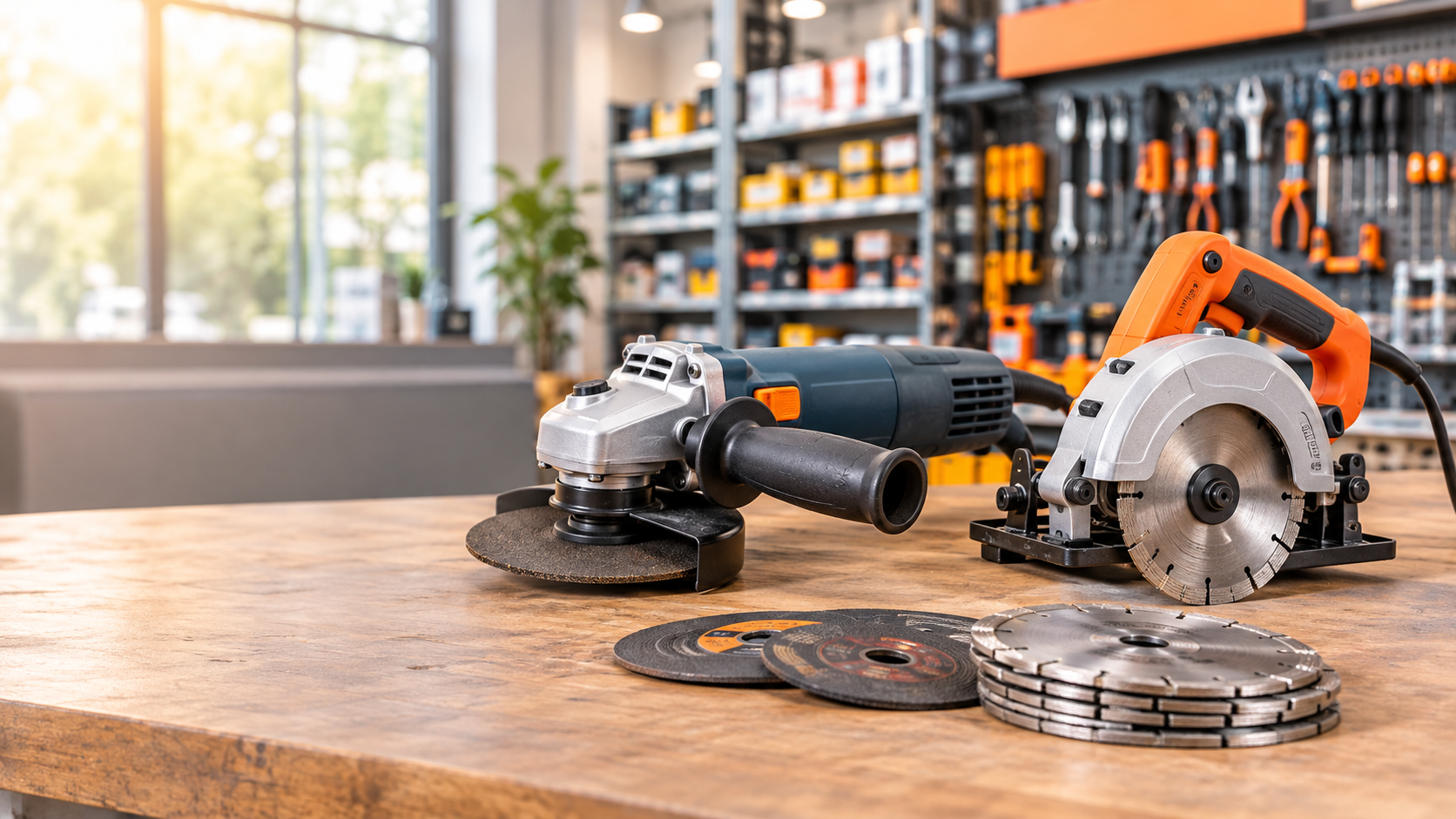
Angle Grinder vs Marble Cutter: Which Power Tools Should Your Hardware Store Stock?
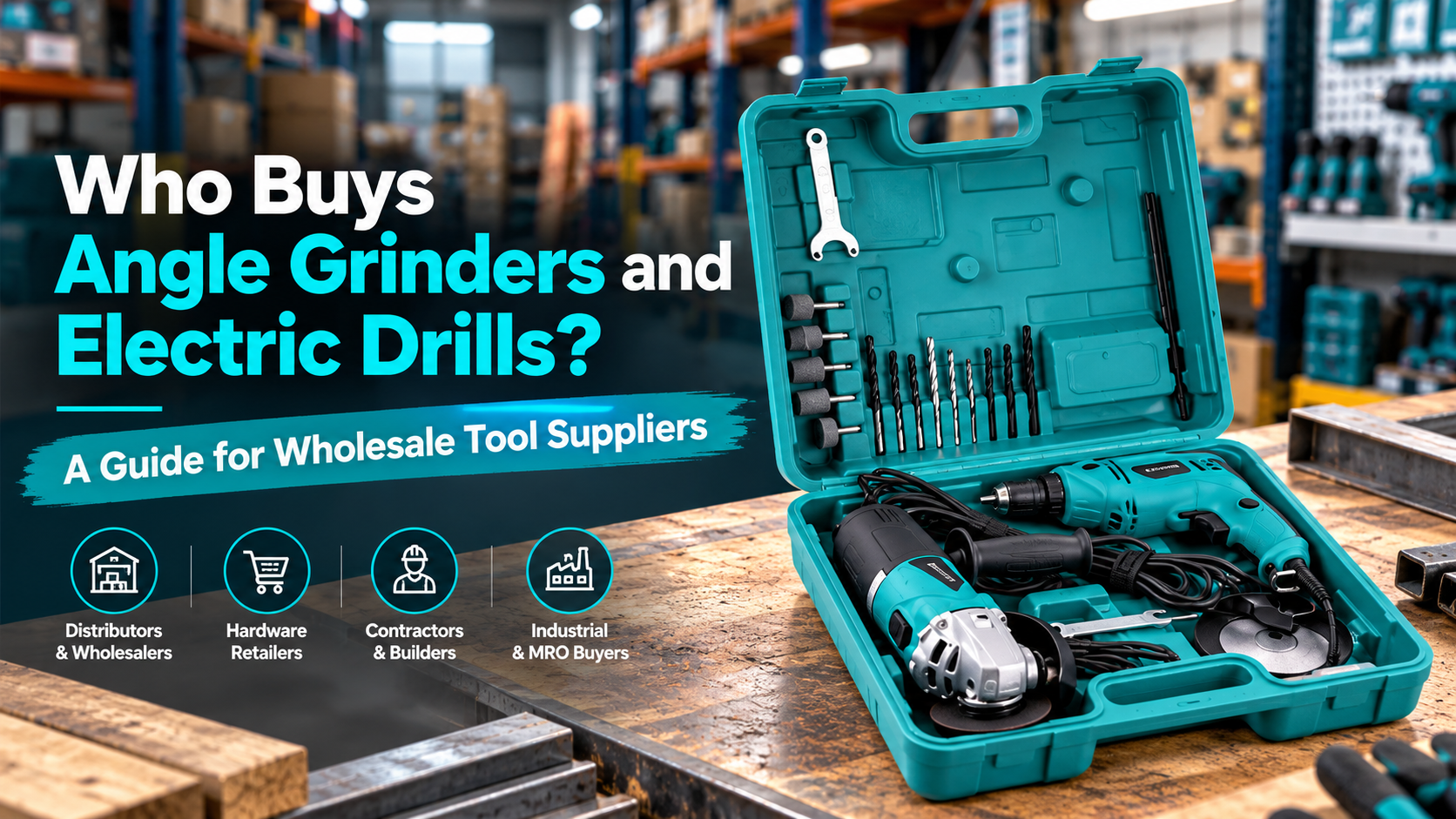
Who Buys Angle Grinders and Electric Drills? A Guide for Wholesale Tool Suppliers
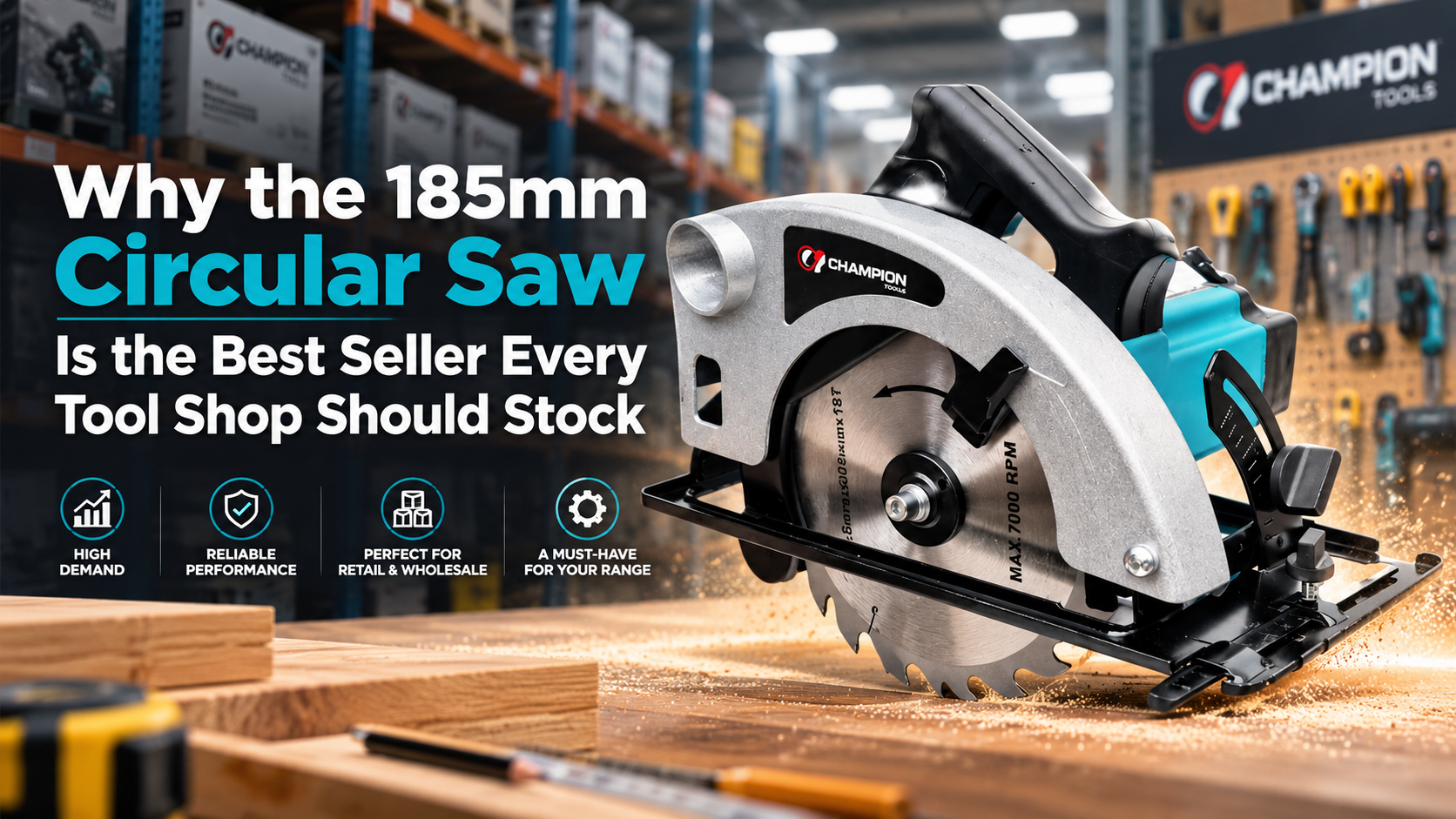
Why the 185mm Circular Saw Is the Best Seller Every Tool Shop Should Stock
Boxer SR040 24V Cordless Drill Set: The All-in-One Kit for DIY Users & Wholesale Buyers
Cordless Drills Wholesale Europe 2026: Best Picks for Projects and Professional Use
Hand Tools Wholesale for Europe: Your Autumn and Winter Stocking Guide

SIGN UP FOR NEWSLETTER
Copyright © 2026 Boxertools | Developed By Mammar Tech