

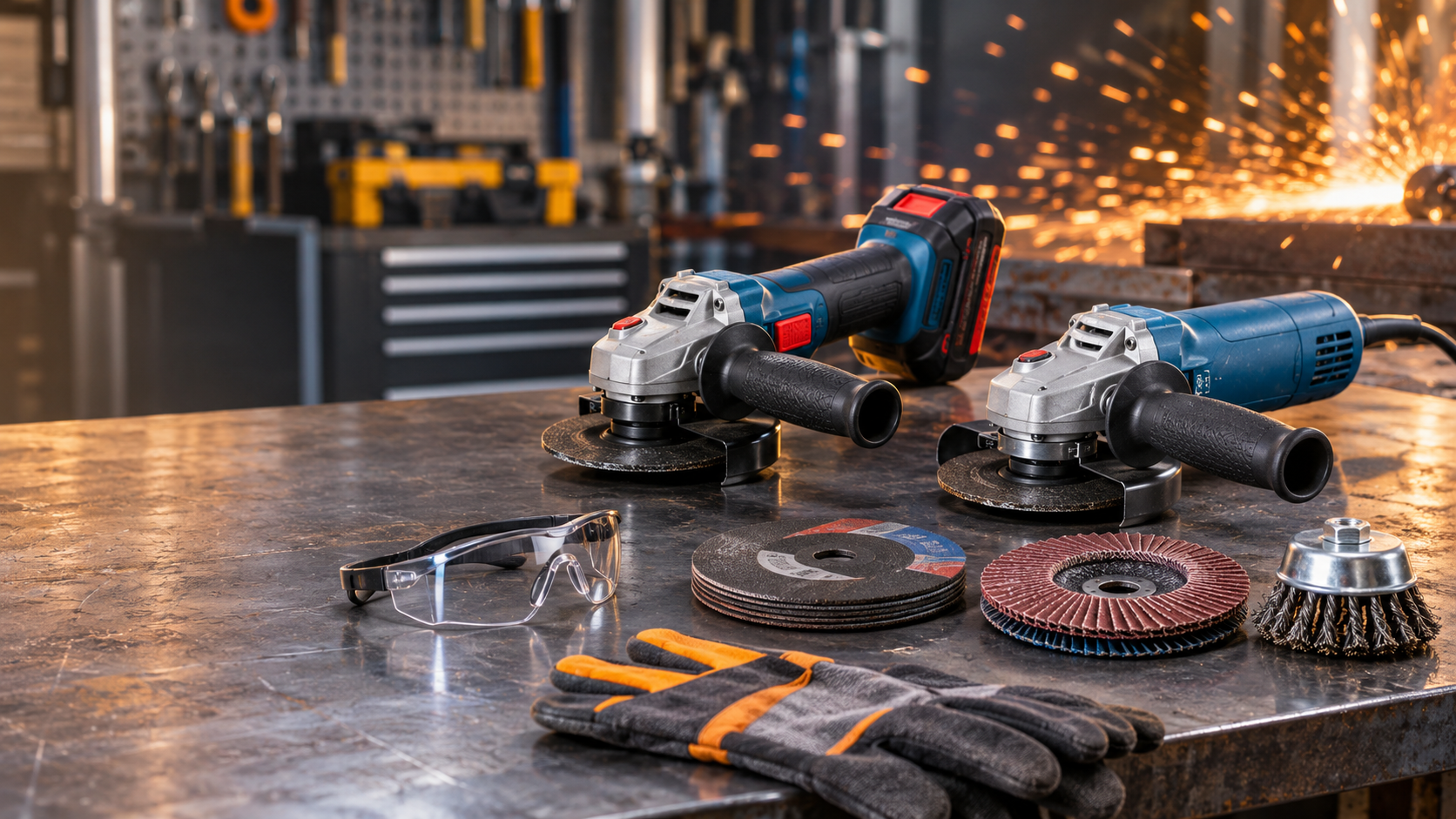
How to Choose the Right Angle Grinder: A 5-Step Guide for Professionals
An angle grinder is one of the most-used tools on any job site or workshop, and one of the easiest to buy wrong. A grinder that is too heavy tires your team out. One that is too small can’t finish the job. And a disc that doesn’t match the machine is a safety problem, not just an inconvenience.
At Boxertools, we supply professional power tools wholesale to contractors, workshops and resellers, so we hear the same questions again and again. This guide walks through the five decisions that matter, in the order you should make them.
1: Start with the job, not the tool
Before looking at specs, write down what the grinder will do 80% of the time. The accessory does the real work, so the job decides everything else.
Cutting steel bars, pipe, sheet and profiles: thin cutting discs
Grinding welds and removing material: grinding discs
Blending and finishing edges and surfaces: flap discs
Cleaning rust, paint and scale: wire brushes or wheels
Cutting masonry or tile: diamond blades rated for that material
If your work is mixed, choose for the hardest, most frequent task and treat the rest as occasional.
2: Pick the right disc size
Disc size controls cutting depth, weight and how controllable the tool feels.
100–115 mm (4"–4½"): light, easy to handle, good for tight spaces and detail work
125 mm (5"): the all-rounder for most metalwork and site jobs
180–230 mm (7"–9"): deep cuts and heavy-duty work, but heavier and best used with two hands and plenty of experience
For most professional teams, 115 mm or 125 mm covers the majority of tasks. Also check the spindle thread before you buy discs and flanges. M14 is very common on 115/125 mm grinders, but not universal.
3: Decide on the power source
Corded suits long, continuous work at a fixed spot where mains power is reliable. You get steady power with no battery to manage, but you have to deal with leads and voltage requirements on site.
Cordless suits teams that move around, work at height or work outdoors. The trade-off is planning: battery capacity, spare batteries and charging. If your crew already uses one battery platform for drills and impact drivers, adding a grinder on the same platform saves money and hassle.
Air (pneumatic) suits workshops and production lines that already run a compressor. Air grinders are compact and built for long duty cycles, but only if your compressor can actually supply the air the tool consumes.
Choose based on where the work happens, not on which option sounds most powerful.
4: Check control and safety features
Higher RPM is not the same as a better tool. Look for the features that keep operators safe and in control:
Adjustable guard that can be repositioned without tools, so people don’t remove it
Spindle lock for quick, safe disc changes
Multi-position side handle for a secure two-handed grip
Switch type: lock-on for long cuts, or dead-man style where your site rules require it
Variable speed for wire brushing, polishing and heat-sensitive materials
Two rules never change. The disc’s maximum rated speed must be equal to or higher than the grinder’s no-load speed, and the guard stays on. Always wear eye protection, plus hearing, hand and dust protection as the task requires.
5: Look at the whole system and the supplier
A grinder is only as good as what you can run on it and who stands behind it. Before you order, compare:
Disc diameter and spindle thread compatibility
Which discs and accessories you will stock
For cordless: what batteries and chargers come in the box, and what other tools share them
For air: hose size, inlet and compressor capacity
Tool weight and balance over a full shift
Warranty, spare parts and after-sales support
This is where buying through a dedicated wholesale supplier makes a real difference. When you buy through Boxertools, you can source grinders, discs and related accessories together, plan quantities for your whole team instead of one tool at a time, and get advice from people who work with professional power tools every day. If you are equipping a crew or stocking for resale, ask us about [bulk pricing / available models / lead times].
Quick checklist before you buy
What job and material will this grinder handle most often?
Which disc size gives enough depth without sacrificing control?
Is mains, battery or compressed air the practical choice where we work?
Does it have the guard, switch and handle features our safety rules require?
Do the discs, batteries or air supply fit the system, and is support available?
Frequently asked questions
What size angle grinder should I buy?
For most professional metalwork, 115 mm or 125 mm. Go larger only when you regularly need deep cuts.
Are cordless grinders good enough for professional use?
For most cutting, grinding and finishing, yes, provided you plan battery capacity for the shift. For very long continuous work, corded or air may be better.
Are angle grinder discs universal?
No. Diameter, spindle thread and maximum speed rating must all match the grinder.
Can Boxertools supply grinders in bulk?
Yes. Boxertools is a wholesale supplier of professional power tools. Contact our team for quantities, models and pricing.
Related Blogs
Wholesale Electric Paint Mixers for European Construction Supply Businesses
Wholesale Inverter Welding Machines in Europe: A Guide for Industrial Equipment Distributors
Wholesale Cordless Drills and Grinders for Hardware Distributors in Poland
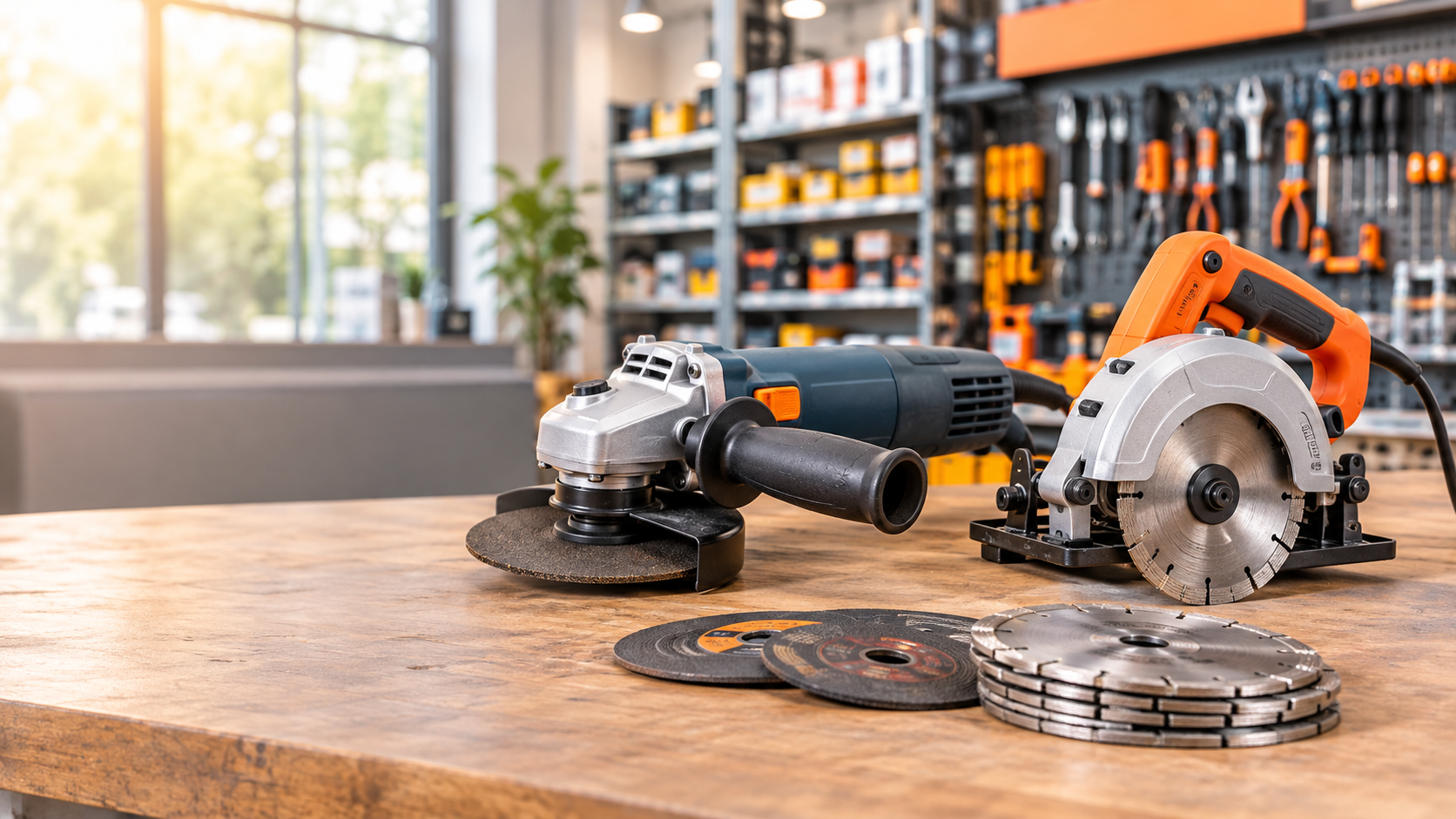
Angle Grinder vs Marble Cutter: Which Power Tools Should Your Hardware Store Stock?
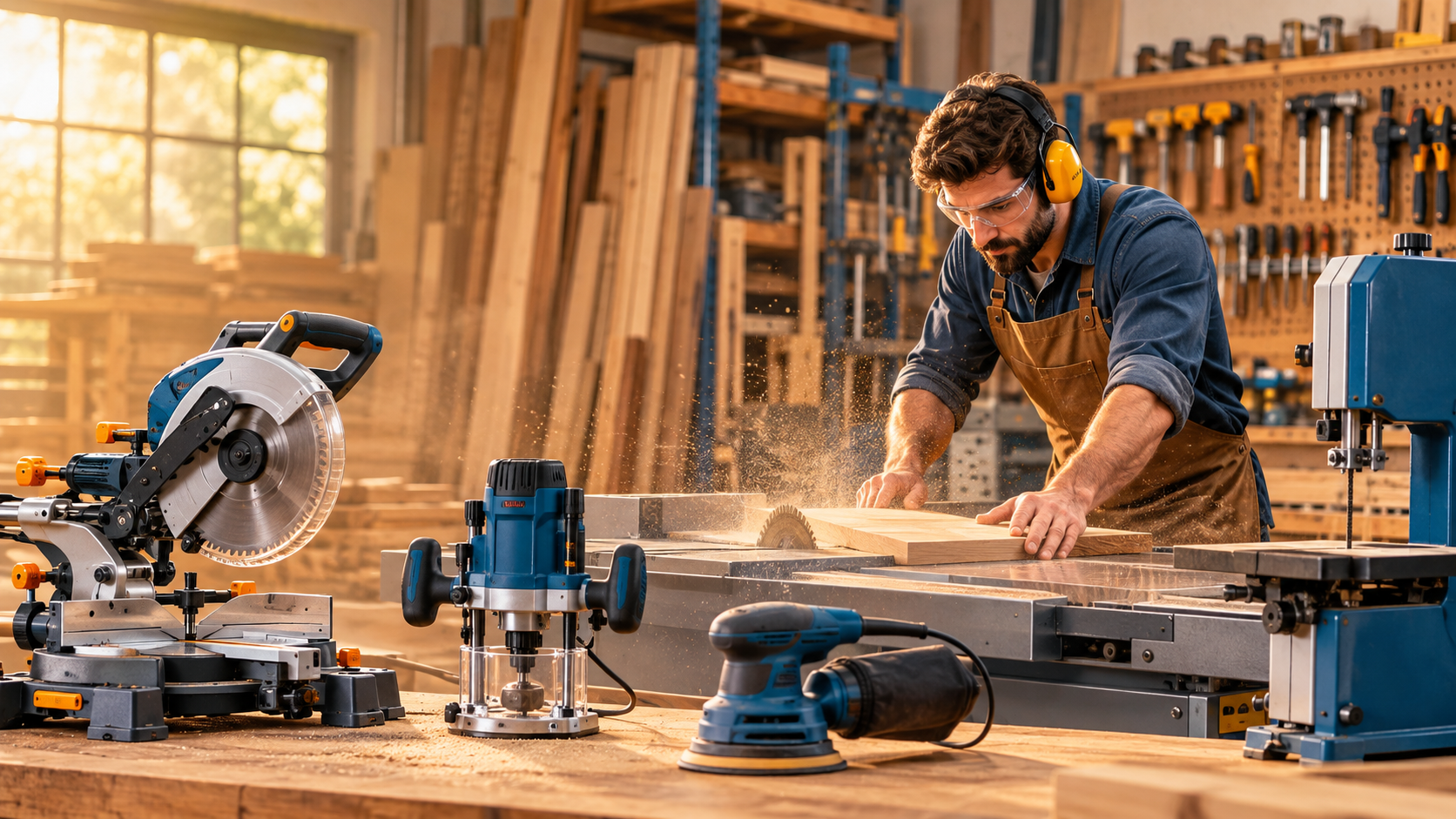
7 Essential Power Tools Every Professional Woodworking Workshop Needs
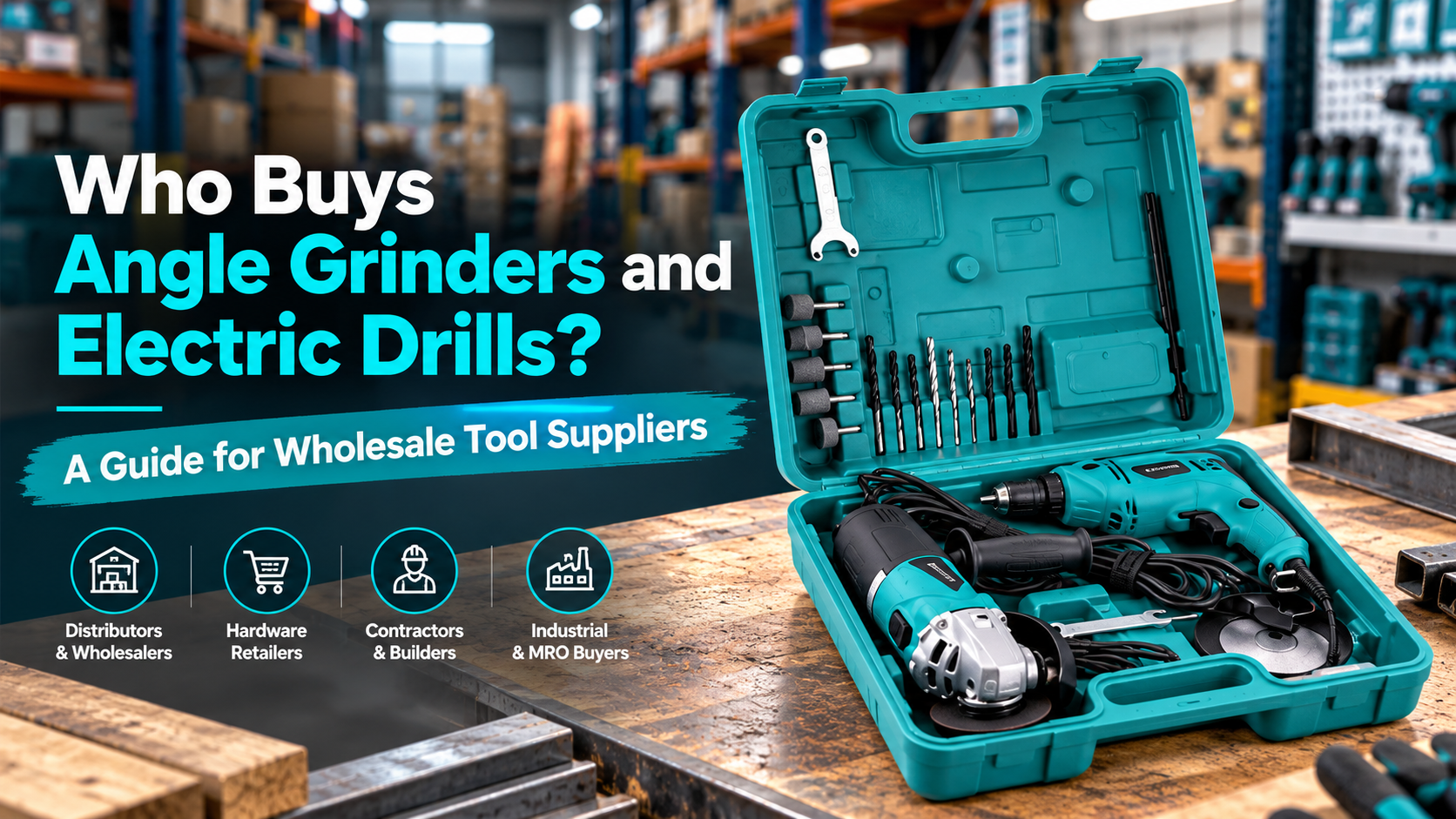
Who Buys Angle Grinders and Electric Drills? A Guide for Wholesale Tool Suppliers
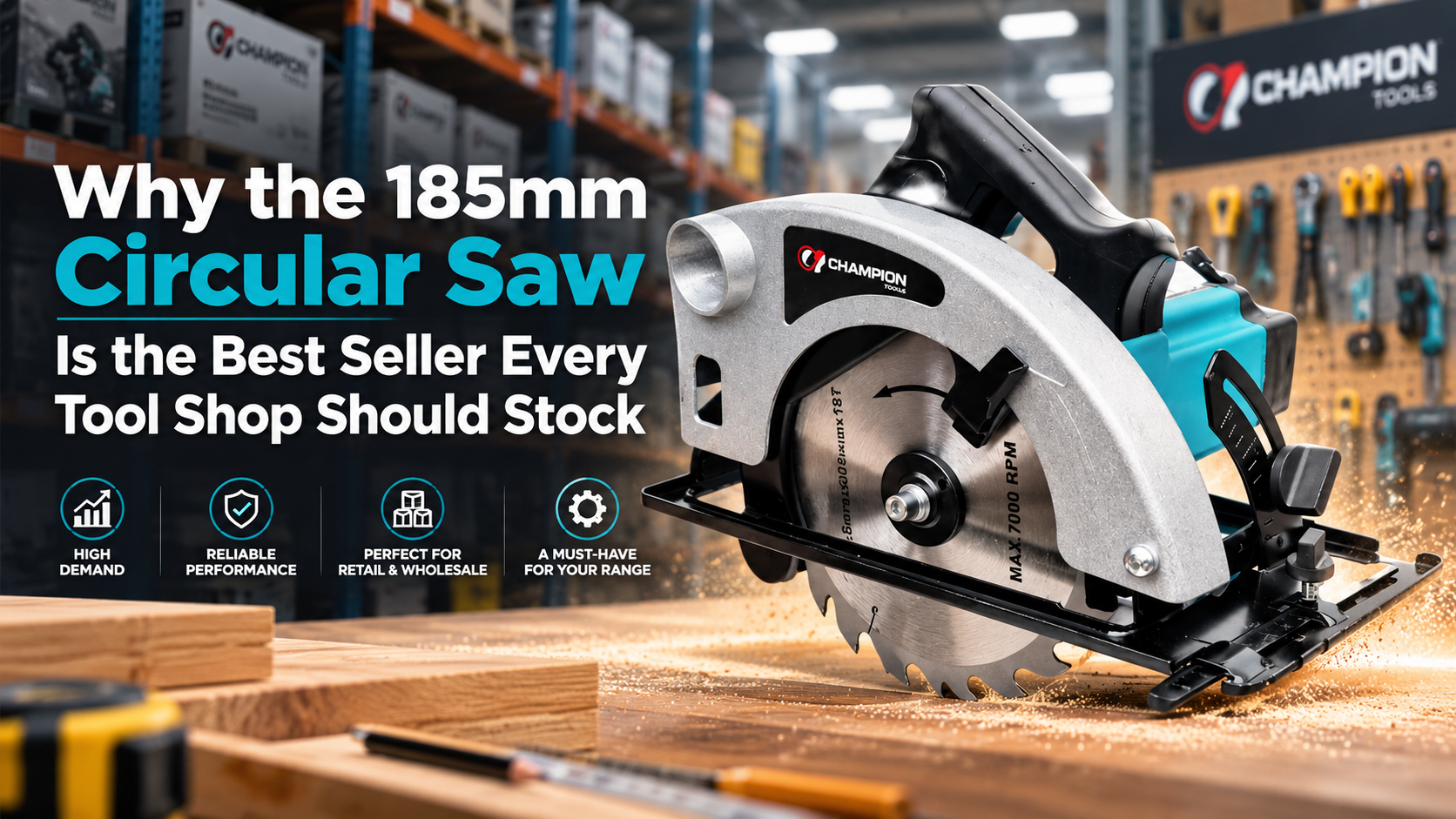
Why the 185mm Circular Saw Is the Best Seller Every Tool Shop Should Stock

SIGN UP FOR NEWSLETTER
Copyright © 2026 Boxertools | Developed By Mammar Tech