Successfully subscribed!


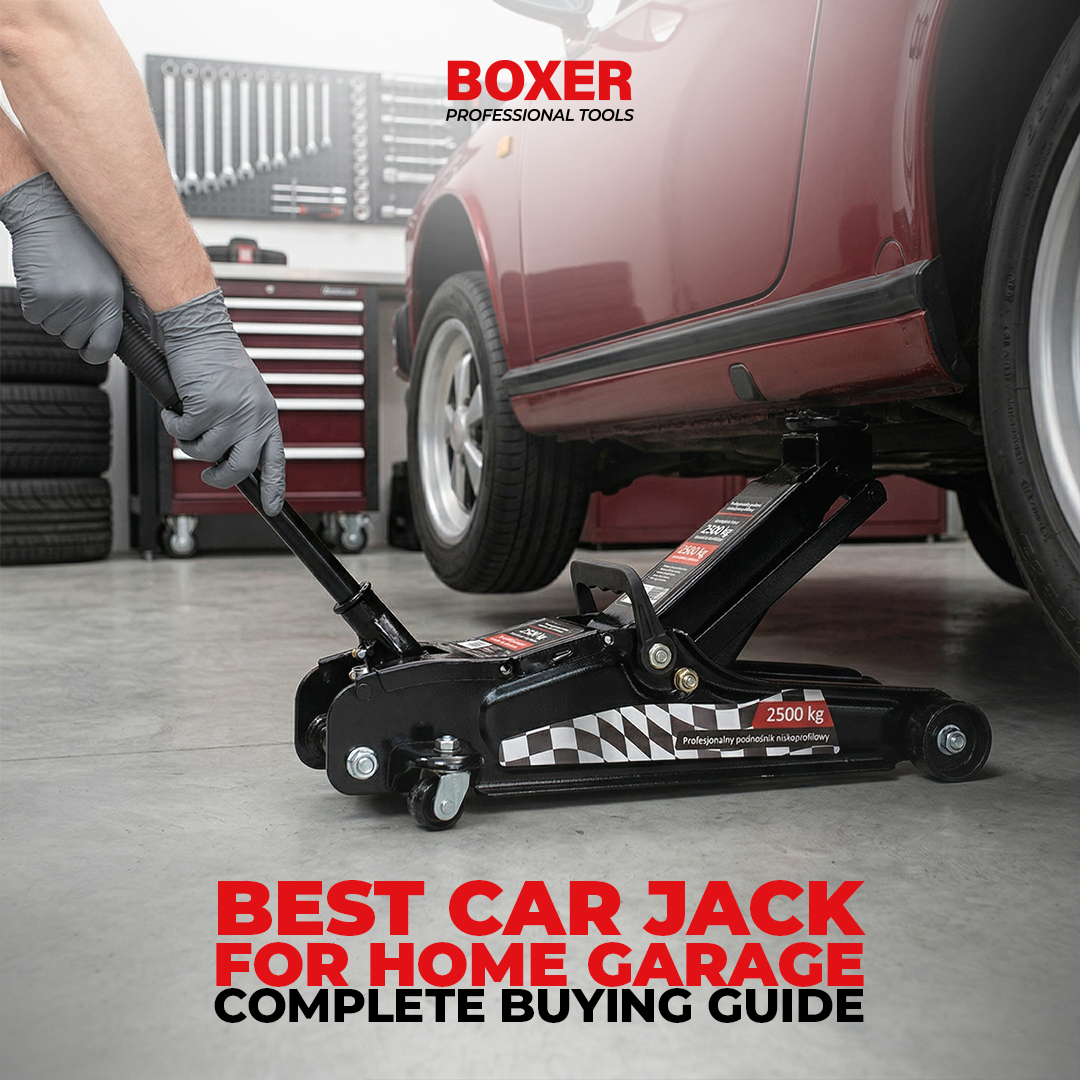
Best Car Jack for Home Garage – Complete Buying Guide
26 Mar 2026
Maintaining your car at home can be challenging, especially when you need to lift it for tire changes or repairs. Flat tires, routine maintenance, and unexpected breakdowns require the right tools, but using manual jacks or low-quality equipment can be unsafe and time-consuming.
This is why hydraulic jacks are essential for every home garage. The Boxer BX449 2.5 Ton Low Profile Hydraulic Jack is designed to lift vehicles easily and safely, even with low ground clearance. In this guide, you’ll learn everything about choosing the best car jack, how hydraulic jacks work, and why this type of jack is the most popular choice.
What is a Hydraulic Jack and How Does It Work?
A hydraulic jack is a device used to lift heavy vehicles using fluid pressure. It works based on a simple principle: when force is applied to a liquid inside a cylinder, that force is multiplied, allowing you to lift heavy loads with minimal effort.
Instead of manually cranking like traditional jacks, hydraulic jacks use oil pressure to lift the vehicle smoothly and efficiently.
Why Hydraulic Jacks Are Popular
- Require less effort compared to scissor jacks.
- Provide smooth and stable lifting.
- Suitable for cars, SUVs, and light vehicles.
- Ideal for home garages and workshops.
This is why most car owners today prefer hydraulic floor jacks for everyday use.
How to Use a Hydraulic Car Jack Safely
Using a hydraulic jack is simple, but following the correct steps ensures safety and efficiency.
Step-by-Step Guide
- Park on a Flat Surface
Always use the jack on level, solid ground. - Engage the Parking Brake
Prevents the car from rolling. - Find the Correct Jack Point
Refer to your vehicle manual for proper lifting points. - Position the Jack
Place the jack securely under the lifting point. - Lift the Vehicle
Pump the handle to raise the car slowly. - Use Jack Stands
Never rely on the jack alone—always support with stands. - Lower the Car Carefully
Release pressure slowly for a controlled descent.
Important Safety Tips
- Never exceed the weight capacity.
- Avoid soft or uneven surfaces.
- Keep your hands away while lowering.
- Always double-check stability before working.
How to Choose the Best Car Jack
Before purchasing a car jack, it’s essential to understand the key factors that impact performance, safety, and long-term usability. Here’s a more detailed breakdown to help you make the right choice:
Weight Capacity
Always check your vehicle’s weight before selecting a jack. For most cars, a 2–3 ton capacity is ideal. Choosing a jack with slightly higher capacity than your vehicle’s weight ensures better safety and durability. If you own an SUV or a heavier vehicle, consider going above 3 tons.
Lift Range
The lift range determines how low the jack can go and how high it can lift. A good jack should have a low minimum height to fit under your car and a high maximum lift for comfortable repair work. This is especially important for tasks like tire changes or brake maintenance.
Low Profile Design
Modern cars often have low ground clearance, making it difficult for standard jacks to fit underneath. A low-profile hydraulic jack is designed to slide easily under such vehicles, making it essential for sports cars, sedans, and modified vehicles.
Build Quality
The durability of your jack depends on the materials used. Heavy-duty steel construction is preferred because it offers better strength, stability, and long-term reliability compared to lighter materials. A well-built jack also reduces the risk of bending or failure under load.
Ease of Use
Look for a jack that is simple and efficient to operate. Hydraulic jacks are the best choice because they require minimal effort and provide smooth lifting. Features like ergonomic handles and smooth wheels can also improve usability, especially for beginners.
Highly Recommended Car Jack: Boxer BX449 2.5 Ton Low Profile Hydraulic Jack
The Boxer BX449 Hydraulic Jack stands out as one of the best choices for home garages.
Key Features
- 2.5 Ton Capacity – Ideal for most cars and small SUVs.
- Lifting Range: 80 – 365 mm – Suitable for both low and standard-height vehicles.
- Low Profile Design – Perfect for low-clearance vehicles.
- Heavy-Duty Steel Construction – Built for durability and long-term use.
- Smooth Hydraulic System – Effortless and controlled lifting.
- Overload Protection Mechanism – Prevents lifting beyond safe capacity.
- Two Durable Wheels – Easy movement and positioning under the car.
- Weight: Approx. 11.5 kg – Stable yet portable design.
- Compact Structure – Easy to store in your home garage.
Why This is the Best Car Jack for Home Garage
- Perfect for Low Cars
Slides easily under modern vehicles with low ground clearance.
- Strong and Reliable
Handles up to 2.5 tons safely, making it ideal for everyday use.
- Beginner-Friendly
Simple hydraulic operation—no technical expertise required.
- Built for Safety
Includes overload protection and a stable base for secure lifting.
Tips for Proper Maintenance of a Hydraulic Car Jack
To ensure your hydraulic floor jack works efficiently and lasts for years, regular maintenance is essential. Follow these simple tips:
- Keep It Clean
Always wipe off dirt, grease, and dust after use. A clean jack prevents damage to internal components and ensures smooth operation.
- Check Hydraulic Oil Regularly
Hydraulic jacks rely on oil pressure to function. Make sure the oil level is adequate and top it up if needed. Low or dirty oil can reduce lifting performance.
- Inspect for Leaks
Regularly check for any oil leaks around seals and joints. If you notice leakage, fix it immediately to avoid failure during use.
- Lubricate Moving Parts
Apply light lubrication to wheels, joints, and hinges to maintain smooth movement and prevent rust.
- Store in a Dry Place
Keep the jack in a cool, dry area to prevent rust and corrosion. Avoid storing it in damp environments.
- Avoid Overloading
Never exceed the jack’s weight capacity (2.5 tons in this case). Overloading can damage the hydraulic system and reduce its lifespan.
- Lower the Jack After Use
Always store the jack in its fully lowered position. This reduces pressure on internal components and extends its life.
- Perform Regular Inspections
Check for cracks, worn parts, or unusual noises. Early detection of issues helps prevent accidents.
A hydraulic car jack is an essential tool for safe and easy vehicle maintenance at home. It offers better lifting power, stability, and convenience compared to manual jacks. Choosing a reliable option like the Boxer BX449 ensures efficient performance, especially for low-clearance vehicles. With proper use and maintenance, it provides long-lasting safety and convenience for any garage.
Related Blogs
Who Buys Angle Grinders and Electric Drills? A Guide for Wholesale Tool Suppliers
Why the 185mm Circular Saw Is the Best Seller Every Tool Shop Should Stock
Boxer SR040 24V Cordless Drill Set: The All-in-One Kit for DIY Users & Wholesale Buyers
Cordless Drills Wholesale Europe 2026: Best Picks for Projects and Professional Use
Hand Tools Wholesale for Europe: Your Autumn and Winter Stocking Guide

Cordless Power Tools Wholesale 2027: Why Cordless Drills Will Be the Top-Selling Tool This Season
How to Choose a Heavy-Duty Concrete Drill Machine: A Buyer's Guide by Boxer Tools

SIGN UP FOR NEWSLETTER
Copyright © 2026 Boxertools | Developed By Mammar Tech