

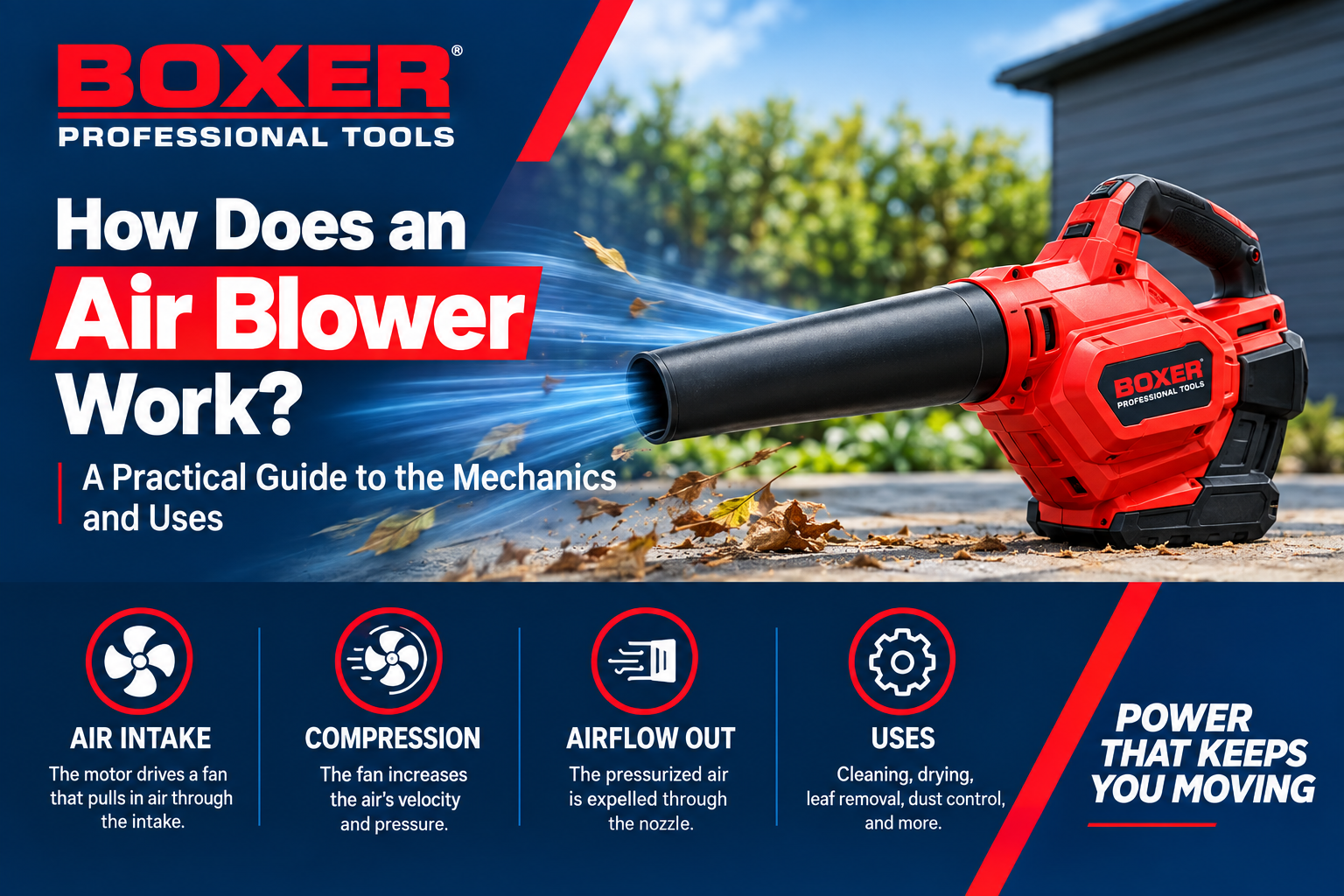
How Does an Air Blower Work? A Practical Guide to the Mechanics and Uses
If you've ever wondered what's actually happening inside an air blower when you pull the trigger, the short answer is: a spinning wheel is doing all the work. An air blower relies on a rotating impeller — essentially a wheel with angled blades — spinning inside a housing. As it spins, it pulls air in through the centre and flings it outward, and that spinning motion is what creates the pull (a mild vacuum) that draws air in and the push that sends it back out at speed. The faster the impeller spins, the more air gets moved and the more force it leaves with.
In this guide, Boxer Tools breaks down what an air blower actually does, the different designs on the market, and how to pick the right one for your work.
The Different Types of Air Blowers
Air blowers look simple from the outside, but the internal fan design varies a lot — and picking the wrong type for your task usually means wasted energy and disappointing performance. The main categories, sorted by impeller design, are:
- Forward-curved centrifugal blowers
- Backward-inclined aerofoil blowers
- Backward-curved centrifugal blowers
- Radial blowers
- Axial blowers
Each one moves air differently, and each is suited to a different kind of job. Here's how they break down.
1. Forward-Curved Centrifugal Blowers
These are built to move a lot of air at relatively low pressure, and they're remarkably efficient at it — in many cases using far less energy than an equivalent compressed-air setup would need for the same job. Air speed in these units is tuned to a specific, steady rate, which lets them push a strong, consistent airstream without needing high pressure to do it.
2. Backward-Inclined Aerofoil Blowers
This design uses a flatter, more compact impeller shape, which allows for a smaller overall unit without sacrificing performance. These blowers are built for the middle ground — moderate airflow at higher pressure than the forward-curved type. Boxer Tools' belt-driven models in this category are engineered to reduce internal friction, which translates to smoother, more efficient operation over long use.
3. Backward-Curved Centrifugal Blowers
Similar in overall output to the forward-curved design, but built differently — fewer, steeper blades that flick the air along rather than scooping it. That subtle difference lets these units move more air using less power. They also tend to run quieter and more efficiently, which is exactly why you'll often find this design inside HVAC systems and data centre cooling setups rather than on a job site.
4. Radial Blowers
Built for punishment. Radial blowers are the go-to choice for harsh environments — marine settings, offshore platforms, and extreme-temperature conditions — because their construction is simply tougher. The blades extend outward from the centre in a paddle-wheel pattern, and are typically reinforced to hold up under continuous demanding use. They do need more regular maintenance, but that's the trade-off for reliability in punishing conditions.
5. Axial Blowers
Think of these as an industrial-scale version of a desk fan — high volume, low pressure, and effective at moving large amounts of air cheaply. You'll usually find them in wind tunnels or specific HVAC setups rather than in fully ducted systems, since low pressure limits how far they can push air through resistance. They're also useful for destratification — mixing air in a room so warm air doesn't just sit trapped near the ceiling.
What's Inside an Air Blower
Understanding the core components makes it easier to compare models and troubleshoot issues:
- Motor — drives the impeller. Can be AC-powered (corded) or battery-powered (cordless).
- Impeller/fan blades — the spinning component that actually accelerates and pressurizes the air.
- Housing — contains the internals and channels the airflow where it needs to go.
- Intake filter — keeps dust and debris out of the motor and moving parts.
- Nozzle — shapes the outgoing airflow, controlling how focused or wide the air stream is.
- Speed control — found on many models, letting you dial airflow up or down for the task at hand.
How to Choose the Right Air Blower
- Not every blower suits every job — matching the machine to your use case matters more than chasing the biggest numbers on the spec sheet. Weigh these factors before buying:
- Power source — corded units give you uninterrupted power; cordless units trade some runtime for freedom of movement.
- Air speed — usually listed in km/h or mph; higher numbers mean a more forceful stream.
- Air volume (CFM) — measures how much total air the unit moves, which matters most for clearing larger areas.
- Weight and grip — a lighter, well-balanced unit makes a real difference on jobs that run long.
- Noise level — some models are specifically tuned for quieter indoor operation.
Boxer Tools' range covers this full spectrum, from compact cordless blowers for quick cleanup to heavy-duty corded units built for constant use on active job sites.
Wrapping Up
At its core, an air blower is a simple idea executed well: a spinning impeller creates fast-moving air, which gets directed through a nozzle to clear dust, debris, or moisture from wherever it's aimed. That simplicity is exactly why they're everywhere — warehouses, workshops, and construction sites all rely on them for fast, effective cleanup. Understanding the mechanics behind your blower — and matching the right type to your work — is what turns a decent tool into the right tool.
Related Blogs
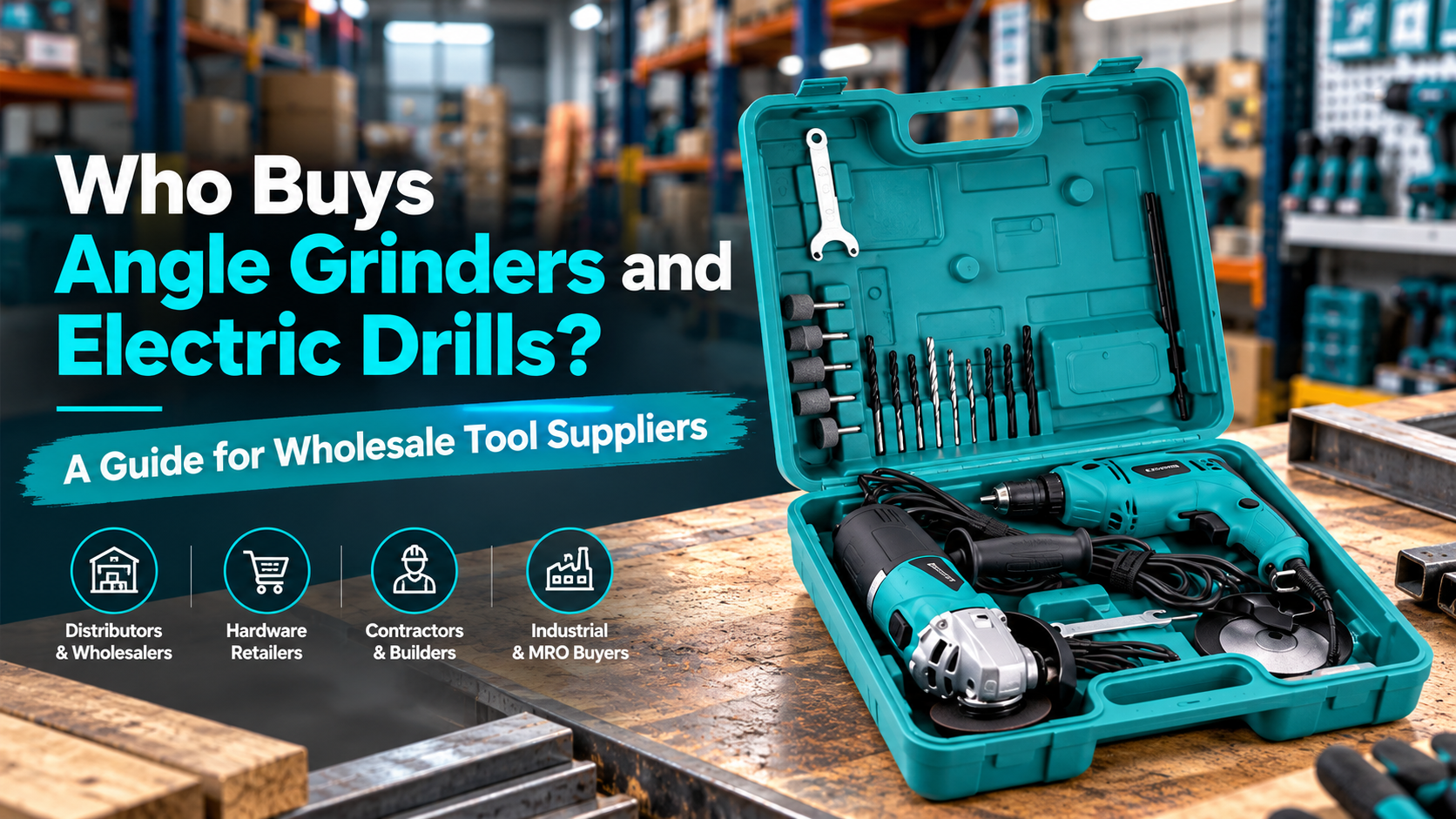
Who Buys Angle Grinders and Electric Drills? A Guide for Wholesale Tool Suppliers
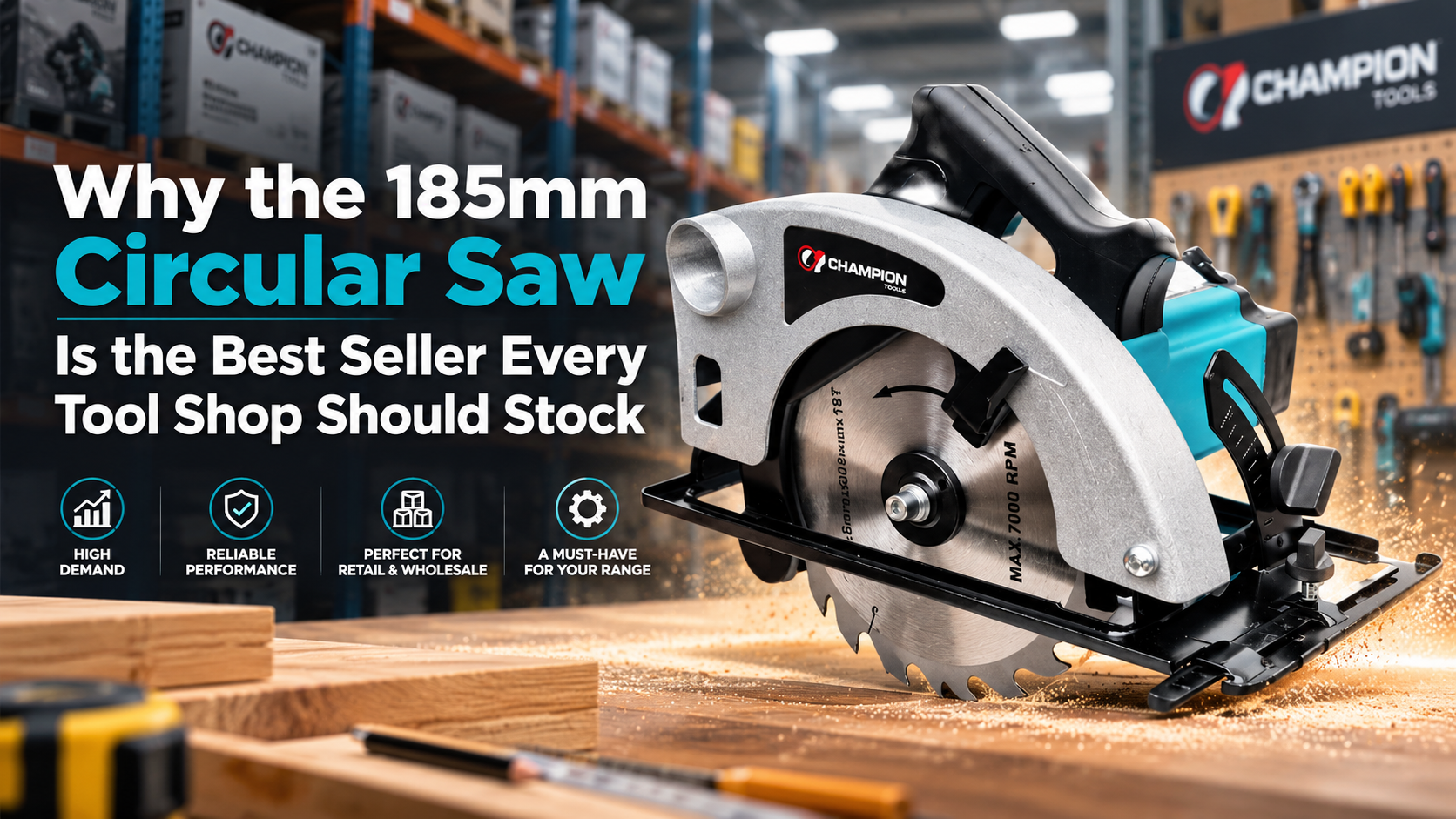
Why the 185mm Circular Saw Is the Best Seller Every Tool Shop Should Stock
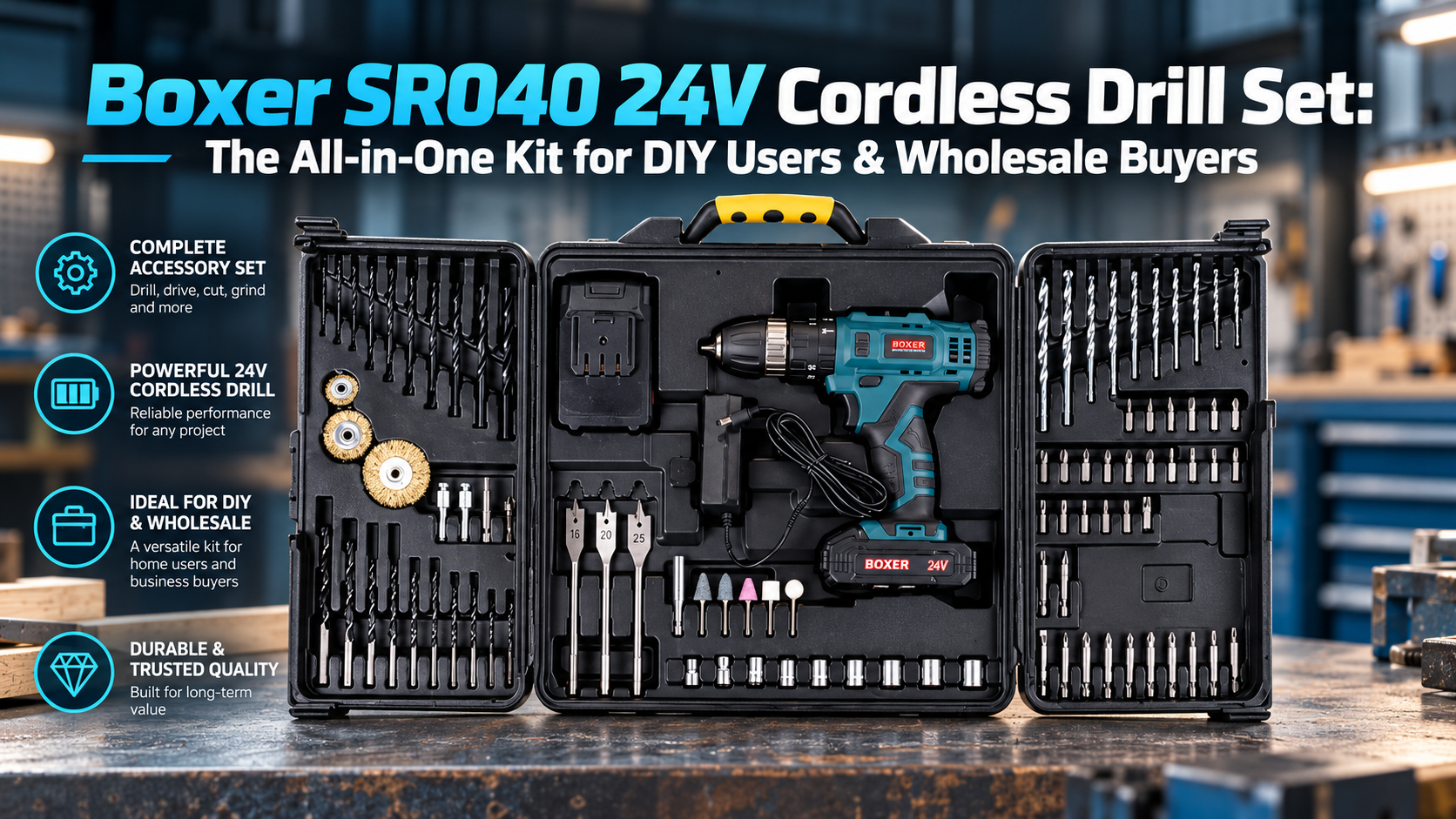
Boxer SR040 24V Cordless Drill Set: The All-in-One Kit for DIY Users & Wholesale Buyers
Cordless Drills Wholesale Europe 2026: Best Picks for Projects and Professional Use
Hand Tools Wholesale for Europe: Your Autumn and Winter Stocking Guide
Cordless Power Tools Wholesale 2027: Why Cordless Drills Will Be the Top-Selling Tool This Season
How to Choose a Heavy-Duty Concrete Drill Machine: A Buyer's Guide by Boxer Tools

SIGN UP FOR NEWSLETTER
Copyright © 2026 Boxertools | Developed By Mammar Tech